NATIONAL ASSESSMENT AND ACCREDITATION COUNCIL (NAAC)
Criterion 1: Curricular Aspects
Key Indicator 1.1 Curriculum Design and Development
1.1.1 Curricula developed and implemented have relevance to the local, regional, national, and global developmental needs, which is reflected in the Programme outcomes (POs), and Course Outcomes(COs) of the Programmes offered by the University
- • Additional Information
1.1.2 The Programmes offered by the institution focus on employability/entrepreneurship/ skill development and their course syllabi are adequately revised to incorporate contemporary requirements
- • Additional Information
Criterion 2: Teaching-Learning and Evalution
Key Indicator – 2.1 Student Enrolment and Profile
Metric No: 2.1.1 – Enrollment Percentage
List of Documents:
- Sanction of Intake as Approved by Competent Authority.
- Admission Extract Signed by the Competent Authority.
Metric No: 2.1.2
Percentage of seats filled against reserved categories (SC, ST, OBC, etc.) as per applicable reservation policy for the first-year admission year-wise during the last five years
List of Documents:
- Certified List of Students Admitted Indicating the Category.
- Additional Information
Key Indicator -2.2 Catering to Student Diversity
Metric No: 2.2.1
The institution assesses the learning levels of the students and organises special Programmes to cater to differential learning needs of the student
List of documents:
- Additional Information
Metric No: 2.2.2
Student – Full time teacher ratio (Data for the latest completed academic year)
List of Documents:
- Certified Copy of Student Faculty Ratio (Academic Year 2023-24)
- Certified List of Full-Time Teachers for the Latest Completed Academic Year (2023-24)
- Certified List of Students Programme wise for the Latest Completed Academic year (2023-24)
Key Indicator – 2.3 Teaching-Learning Process
Metric No: 2.3.1 Student centric methods, such as experiential learning, participative learning and problem solving methodologies are used for enhancing learning experience and teachers use ICT-enabled tools including online resources for effective teaching learning process
List of Documents:
- Additional Information
Metric No: 2.3.2 The institution adopts effective Mentor-Mentee Schemes to address academics and student-psychological issues
List of Documents:
- Additional Information
Key Indicator – 2.4 Teacher Profile and Quality
Metric No: 2.4.1
Average percentage of full-time teachers appointed against the number of sanctioned posts year wise during the last five years
List of Documents:
- Faculty Sanction Post Approved by the Competent Authority.
- Faculty Sanction Post Extract signed by the Competent Authority.
- Certified List of Full-Time Teachers Available During the Last Five Years
Metric No: 2.4.2 Percentage of full time teachers with Ph.D./D.M/M.Ch./D.N.B/ Superspeciality/L.L.D/D.S.C/D.Litt. during the last five years
List of Documents:
- Summary of Full Time Teachers with Ph.D. During the Last Five Years
- Certified List of Full Time Teachers having Ph.D./D.M/M.Ch/D.N. Superspeciality along with Particulars of the Degree Awarding University, Subject and the Year of Award (Five Years Data)
- Proofs: Ph.D. Certificates
Metric No: 2.4.3 Average teaching experience of full time teachers (Data to be provided only for the latest completed academic year, in number of years)
List of Documents:
- Certified copy of Teaching Experience of Full-time Teachers for the Latest Completed Academic Year 2023-24
- List of Full time Teachers with Teaching Experience Academic Year 2023-24
Key Indicator: 2.5: Evaluation Process and Reforms
Metric No: 2.5.1 Average number of days from the date of last semester-end/ year- end examination till the last date of declaration of results year-wise during the last five years
List of Documents:
- Exam timetable released by the Controller of Examination
- Result Sheet with date of publication
- Policy document on Declaration of results (if any)
- Certified Copy from CoE for Number of Days
Metric No: 2.5.2 Percentage of student complaints/grievances about evaluation against total number of students appeared in the examinations during the last five years
List of Documents:
- Certified List of students applied for re- valuation/re-totalling
- MOMs of Grievance Committee
- Grievance Redressal Mechanism Policy
Metric No: 2.5.3 Status of automation of Examination division along with approved Examination Manual/ordinance
- 100% automation of entire division & implementation of Examination Management System (EMS)
- Only student registration, Hall ticket issue & Result Processing
- Only student registration and result processing
- Only result processing
- Only manual methodology
List of Documents:
- Current Manual of Examination Automation System
- Examination Automation Module (Screen Shots of User Manual)
- Copies of the Purchase Order and bills of the software.
- Copy of the Relevant Contract (If the EMS is outsourced)
Key Indicator – 2.6 Student Performance and Learning Outcomes
Metric No: 2.6.1 The institution has stated learning outcomes (Program and Course outcomes)/graduate attributes which are integrated into the assessment process and widely publicized through the website and other documents and the attainment of the same are evaluated by the institution.
List of Documents:
- Additional Information
Metric No: 2.6.2 Pass percentage of students (excluding backlog students) (Data to be provided only for the latest completed academic year)
List of Documents:
- Annual report from COE for Academic Year 2023-24
- Certified copy from the Controller of Examinations indicating the pass percentage.
- Certified list of Programmes and number of students passed and appeared in the final year examination academic year 2023-24
Key Indicator – 2.7 Student Satisfaction Survey
Metric No: 2.7.1
Online Student Satisfaction Survey regarding the teaching-learning process.
Criterion 3 Research, Innovations and Extension
Key Indicator – 3.1 Promotions of Research and Facilities
3.1.1 The institution’s Research facilities are frequently updated and there are well defined policy for promotion of research which is uploaded on the institutional website and implemented
- • Research Promotion Policies
- • List of Research Facilities Tools, e-journals and Databases
- • Centre of Excellence & Research Centres
3.1.2 The institution provides seed money to its teachers for research
- • Seed money policy
- • List of Teachers receiving the seed money
- • Sanction letters of seed money
- • CA & CFO Certified letter
3.1.3 Percentage of teachers receiving national/ international fellowship/financial support by various agencies for advanced studies/ research during the last five years
- • List of teachers who received national/ international fellowship/financial support from various agencies, for advanced studies / research; year-wise during the last five years
- • E-copies of the award letters of the teachers.
3.1.4 Percentage of JRFs, SRFs among the enrolled PhD scholars in the institution during the last five years
- • List of JRFs, SRFs, Post Doctoral Fellows, Research Associates and other research fellows
- • E copies of fellowship award letters
Key Indicator – 3.2 Resource Mobilization for Research
3.2.1 Research funding received by the institution and its faculties through Government and non-government sources such as industry, corporate houses, international bodies for research project, Endowment Research Chairs during the last five years
- • List of Extramural funding received for research, Endowment Research Chairs received during the last five years along with the nature of award, the awarding agency and the amount.
- • E-copies of the letters of award for research, endowments, Chairs sponsored by non- government sources
- • CA & CFO Certified letter
3.2.2 Number of research projects per teacher funded by government, non-government , industry, corporate houses, international bodies
- List of project titles with details of Principal Investigator, amount sanctioned and sanctioning agency
- E-copies of the grant award letters for research projects sponsored by government & non government agencies.
Key Indicator – 3.3 Innovation System
3.3.1 Eco-System for innovations, Indian Knowledge System (IKS) including awareness about IPR & Incubation center
- Innovation & Incubation
- Web link Incubation Centre
- Indian Knowledge System (IKS)
3.3.2 Number of awards received for research/innovations by the institution/teachers/research scholars/students
Key Indicator – 3.4 Research Publications and Award
3.4.1 The institution ensures implementation of its stated Code of Ethics for research
- Inclusion of research ethics in the research methodology course work
- Presence of institutional Ethics committees & MoM
- Plagiarism check through turnitin software
- Research Advisory Board, Committees & MoM
- Code of Ethics for Research
- Additional Information
3.4.2 Number of Patents awarded during the last five years
- List of Patents granted / published in the name of the faculty with the institutional affiliation.
- e-copies of letter of patent granted/published
3.4.3 Number of Ph.Ds awarded per recognized guide during the last five years
- Certified List of PhD Awarded
- Letter from the university indicating name of the PhD student with title of the doctoral study and the name of the guide.
- e-copies of the PhD award letters
3.4.4 Number of research papers published per teacher in the Journals as notified on UGC CARE list during the last five years
- List and links of the papers published in journals listed in UGC CARE list
3.4.5 Number of books and chapters in edited volumes published per teacher during the last five years
- List of chapter/book with the links
- Certified List of Chapters/Books with the links
3.4.6 E-content is developed by teachers
- For SWAYAM
- For Government Initiatives
- For Institutional LMS
3.4.7 Bibliometrics of the publications during the last five years based on average Citation Index in Scopus/ Web of Science
- Citation report for five years
3.4.8 Bibliometrics of the publications during the last five years based on Scopus/ Web of Science – h-Index of the University
- h-index of the institution
Key Indicator – 3.5 Consultancy
3.5.1. Revenue generated from consultancy and corporate training during the last five years
- List of consultancy & corporate training
- Proofs of consultancy & corporate training
- CA & CFO Certified letter
Key Indicator – 3.6 Extension Activities
3.6.1 Outcomes of extension activities in the neighborhood community in terms of impact and sensitizing the students to social issues and holistic development, and awards received if any during the last five years
- List of outreach & extension activities
- Case studies
3.6.2. Number of extension and outreach programs conducted by the institution through organized forums like NSS/NCC with involvement of community year wise during the last five years
- Detailed list of extension and outreach programs
- Detailed report of each extension and outreach programs
- NSS Approval Letter
- NCC Approval Letter
Key Indicator – 3.7 Collaboration
3.7.1 Number of functional MoUs /linkage with institutions/ industries in India and abroad for internship, on-the-job training, project work, student / faculty exchange and collaborative research during the last five years
- Certified list of functional MoUs/Collaboration during last five years
- e-copies of functional MoUs/Collaboration along with activities
Criterion 4 - Infrastructure and Learning Resources
Key Indicator 4.1 Physical Facilities
4.1.1 The institution has adequate infrastructure facilities for a. Teaching learning. viz., classrooms, laboratories
b. ICT enabled facilities such as smart classes, LMS etc.
c. Facilities for cultural and sports activities , yoga centre, games (indoor and outdoor) gymnasium,auditorium etc.
- • Campus Facilities- Classrooms & Labs • Campus Infrastructure facilities
4.1.2 Percentage of expenditure excluding salary, for infrastructure development and augmentation year wise during the last five years
- • Certified letter from CA and CFO • Audited income and expenditure statement (FY 2019-20 to 2023-24)
Key Indicator 4.2 Library as a Learning Resource
4.2.1 Library is automated with digital facilities using Integrated Library Management System (ILMS), adequate subscription to e-resources and journals are made. The library is optimally used by the faculty and students
- • Library important links
4.2.2 Percentage expenditure for purchase of books/ e-books and subscription to journals/ejournals year wise during the last five years
- • Certified letter from CA and CFO
- • Audited income and expenditure statement (FY 2019-20 to 2023-24)
Key Indicator 4.3 IT infrastructure
4.3.1 Institution frequently updates its IT facilities and provides sufficient bandwidth for internet connection
- • IT Infrastructure
- • Bandwidth Utilization
4.3.2 Student Computer ratio (Data for the latest completed academic year)
- • List of computers
- • IT Stock Register- PO/Invoices
4.3.3 Institution has the following Facilities for e-content development and other resource development
- 1. Audio visual center, mixing equipment, editing facilities and Media Studio 2. Lecture Capturing System(LCS) 3. Central Instrumentation Centre 4. Animal House 5. Museum 6. Business Lab 7. Research/statistical database 8. Moot court 9. Theatre 10. Art Gallery
- • PO/Invoices of all e- content facilities
- • Geo-tag photographs of all e- content facilities
- • Copy of the subscription letter for Research/Statistical Databases
- • Screenshot of User interface
Key Indicator 4.4 Maintenance of Campus Infrastructure
4.4.1 Percentage expenditure incurred on maintenance of physical facilities and academic support facilities excluding salary component during the last five years
- • Certified letter from CA and CFO
- • Audited income and expenditure statement (FY 2019-20 to 2023-24)
4.4.2 There are established systems and procedures for maintaining and utilising physical, academic and support facilities laboratory, library, sports complex, computers, classrooms etc.
- • Agreements of Facilities
- • PO & Invoices
Criterion 5 - Student Support and Progression
Key Indicator – 5.1 Student Support
5.1.1 Percentage of students benefited by scholarships and freeships provided by the institution, Government and non-government bodies, industries, individuals, philanthropists during the last five years
- Scholarship Policy
- Certified List of Students benefited by scholarships and freeships
- CA & CFO Certificates
- Sanction Letters-Sample
- Audited Statement
5.1.2 Efforts taken by the institution to provide career counseling including e-counseling and guidance for competitive examinations during the last five years
- List of activities and reports – career counseling including e-counseling and guidance for competitive examinations
5.1.3- Following Capacity development and skills enhancement initiatives are undertaken by the institution for: 1.Soft skills 2.Language and communication skills 3.Life skills (Yoga, physical fitness, health and hygiene, self-employment and entrepreneurial skills) 4. Awareness of trends in technology
- List of activities and reports: Soft kills
- List of activities and reports: Language and communication skills
- List of activities and reports: Life skills (Yoga, physical fitness, health and hygiene, self-employment and entrepreneurial skills)
- Awareness of trends and technology
5.1.4 The Institution adopts the following for redressal of student grievances including sexual harassment and ragging cases 1.Implementation of guidelines of statutory/regulatory bodies 2.Organisation-wide awareness and undertakings on policies with zero tolerance 3.Mechanisms for submission of online/offline students’ grievances 4.Timely redressal of the grievances through appropriate committees
Key Indicator – 5.2 Student Progression
5.2.1 Percentage of placement of outgoing students during the last five years
- Certified List of students placed along with placement details
5.2.2 Percentage of graduated students who have progressed to higher education year-wise during last five years
- Certified List of students progressed for Higher Education
- Proofs for Higher Education
5.2.3 Percentage of students qualifying in state/ national/ international level examinations out of the graduated students during the last five years
- Certified List of students qualified in state/ national/ international level examinations year wise
- Proofs: Certificates of the students taking the examination
Key Indicator – 5.3 Student Participation and Activities
5.3.1 Number of awards/medals won by students for outstanding performance in sports/cultural activities at inter-university/state/national/international events (award for a team event should be counted as one) during the last five years
- List of students won awards/medals for outstanding performance
- E-copies of Award letters and Certificates
5.3.2 Presence of an active Student Council & representation of students on academic & administrative bodies/committees of the institution
- Student council details
- Additional Information
5.3.3 The institution conducts /organizes following activities 1. Sports competitions/events 2. Cultural competitions/events 3. Technical fest/academic fests 4. Any other events through active clubs and forums
- Report of the Sports competitions/events
- Report of the Cultural competitions/events
- Report of the Technical fest/academic fests
- Other Events Report – Clubs/Forums
Key Indicator – 5.4 Alumni Engagement
5.4.1 Alumni contribution during the last five years to the University through registered Alumni Association 5.4.2 Alumni contributes and engages significantly to the development of University through academic and other support system
- Additional Information
- Supporting document
Criterion 6 - Governance, Leadership and Management
Composition of Internal Quality Assurance Cell (IQAC) of The Glocal University
Key Indicator – 6.1 Institutional Vision and Leadership
6.1.1 The Institutional governance and leadership are in accordance with Vision and mission of the institution and it is visible in various institutional practices such as NEP implementation, sustained institutional growth, de-centralization, participation in the institutional governance and in their Short term and Long term institutional perspective plan.
- University Vision & Mission
- Perspective Plan
- Additional Information
Key Indicator – 6.2 Strategy Development and Deployment
6.2.1 The institutional perspective plan is effectively deployed and functioning of the Institutional bodies are effective and efficient as visible from policies, administrative set-up, appointment, service rules, procedures etc.
- University Act
- University Statutes
- HR Manuals
- Organization Structure
6.2.2 Institution Implements e-governance in its operations e-governance is implemented covering the following areas of operations
- Administration including complaint management
- Finance and Accounts
- Student Admission and Support
- Examinations
- Screenshots of user interfaces
- Administration including complaint management
- Finance and Accounts
- Student Admission and Support
- Examinations
- Bills for the expenditure on implementation of e-governance in the areas of operation 3. Annual e-governance report 4. e-governance policy
Key Indicator – 6.3 Faculty Empowerment Strategies
6.3.1 The institution has performance appraisal system, effective welfare measures for teaching and non-teaching staff and avenues for career development/progression
- Performance Appraisal for teaching & non teaching staff
- Welfare measures for for teaching & non teaching staff
- Promotional avenues
- Additional Information
6.3.2 Percentage of teachers provided with financial support to attend conferences/workshops and towards membership fee of professional bodies during the last five years
- Policy document on Providing Financial Support to teachers
- Certified List of teachers receiving financial support
- E-copy of letter/s indicating financial assistance to teachers
- CA & CFO Certified letter
- Audited statement of account highlighting the financial support to teachers
6.3.3 Percentage of teachers undergoing online/ face-to-face Faculty Development Programmes (FDP)/ Management Development Programs (MDP) during the last five years
- Certified List of teachers undergoing online/ face-to-face Faculty Development Programmes (FDP)/ Management Development Programs (MDP) during the last five years
- E-copy of the certificates of the program attended by teachers
- Annual reports highlighting the programmes undertaken by the teachers
Key Indicator – 6.4 Financial Management and Resource Mobilization
6.4.1 Institutional strategies for mobilisation of funds other than salary and fees and the optimal utilisation of resources
- Additional Information
6.4.2 Funds / Grants received from government bodies/non government and philanthropists during the last five years for development and maintenance of infrastructure
- Annual audited statements of accounts highlighting the grants received.
- CA & CFO Certified letter
- Copy of the sanction letters received from government/ nongovernment bodies and philanthropists.
6.4.3 Institution regularly conducts internal and external financial audits
- Financial Audit Reports
Key Indicator – 6.5 Internal Quality/Assurance System (IQAS)
6.5.1 Internal Quality Assurance Cell (IQAC)/ Internal Quality Assurance System (IQAS) has contributed significantly for institutionalizing the quality assurance strategies and processes, by constantly reviewing the teaching-learning process, structures & methodologies of operations and learning outcomes, at periodic intervals
- Additional Information
6.5.2 Institution has adopted the following for Quality assurance: 1. Academic and Administrative Audit (AAA) and follow up action taken 2.Conferences, Seminars, Workshops on quality conducted 3. Collaborative quality initiatives with other institution(s) 4.Orientation programme on quality issues for teachers and students 5. Participation in NIRF and other recognized ranking like Shanghai Ranking, QS Ranking Times Ranking etc 6.Any other quality audit recognized by state, national or international agencies
- Academic and Administrative Audit (AAA)
- Conferences, Seminars, Workshops on Quality conducted
- Collaborative quality initiatives with other institution(s)
- Orientation Program on Quality Issues for Teachers & Students
- Participation in Ranking
- Quality audits
6.5.3 Incremental improvements made for the preceding five years with regard to quality Additional Information
Criterion 7 - Institutional Values and Best Practices
Key Indicator – 7.1 Institutional Values and Social Responsibility
7.1.1 Institution has initiated Gender audit and measure for the promotion of gender equity
- Additional Information
7.1.2 The Institution has facilities for alternate sources of energy and energy conservation measures 1.Solar energy 2.Biogas plant 3.Wheeling to the Grid 4.Sensor-based energy conservation 5.Use of LED bulbs/ power efficient equipment 6.Wind will or any other clean green energy
- Details of facilities for alternate sources of energy and energy conservation measures with Geo-tagged photographs
- Bills for the purchase of equipment’s for the facilities Created
7.1.3 Describe the facilities in the Institution for the management of the following types of degradable and non-degradable waste (within 500 words) 1. Solid waste management 2. Liquid waste management 3. Biomedical waste management 4. E-waste management 5. Waste recycling system 6. Hazardous chemicals and radioactive waste management
- Details of facilities for the management of degradable and non-degradable waste with Geo-tagged photographs
- Agreements/MoUs with approved agencies
7.1.4 Water conservation facilities available in the Institution: 1.Rainwater harvesting 2.Borewell /Open well recharge 3.Construction of tanks and bunds 4.Wastewater recycling 5.Maintenance of water bodies and distribution system in the campus
- Details of Water conservation facilities available with Geo-tagged photographs
- Bills for the purchase of equipments for the facilities
- Green audit reports on water conservation
7.1.5 Green campus initiatives include
- Additional Information
7.1.6 Quality audits on environment and energy are regularly undertaken by the institution
- Green Audit Reports and Certificates
- Energy Audit Reports and Certificates
- Clean & Green Campus Initiatives
- Beyond the campus environmental promotion and sustainability activities
- Awards for Green Initiatives
7.1.7 The Institution has Differently-abled (Divyangjan) friendly, barrier free environment
- Details of Facilities for Differently-abled (Divyangjan) with Geo-tagged photographs
- Bills of Merlin basic desktop video magnifier
7.1.8 Describe the Institutional efforts/initiatives in providing an inclusive environment i.e., tolerance and harmony towards cultural, regional, linguistic, communal, socio-economic and such other diversities
- Additional Information
7.1.9 Sensitization of students and employees of the Institution to the constitutional obligations: values, rights, duties and responsibilities of citizens
- Additional Information
7.1.10 The Institution has a prescribed code of conduct for students, teachers, administrators and other staff and conducts periodic programmes in this regard.
- The institutional Code of Conduct principles are displayed on the website 2. There is a committee to monitor adherence to the institutional Code of Conduct principles 3. Institution organizes professional ethics programmes for students, teachers, administrators, and other staff 4. Annual awareness programmes on Code of Conduct are organized
- Policy document on code of ethics for Students and Employees
- Constitution and proceedings of the monitoring committee: Proctorial Committee
- List of courses on human values and professional ethics
- Awareness Programmes on Code of Conduct
Key Indicator – 7.2 Best Practices
7.2.1 Describe two Best practices successfully implemented by the Institution as per the NAAC format provided in the Manual.
- Best Practice 01
- Best Practice 02
Key Indicator – 7.3 Institutional Distinctiveness (20)
7.3.1 Portray the performance of the Institution in one area distinctive to its priority and thrust within 1000 words
- Additional Information
Let's Check Our Courses
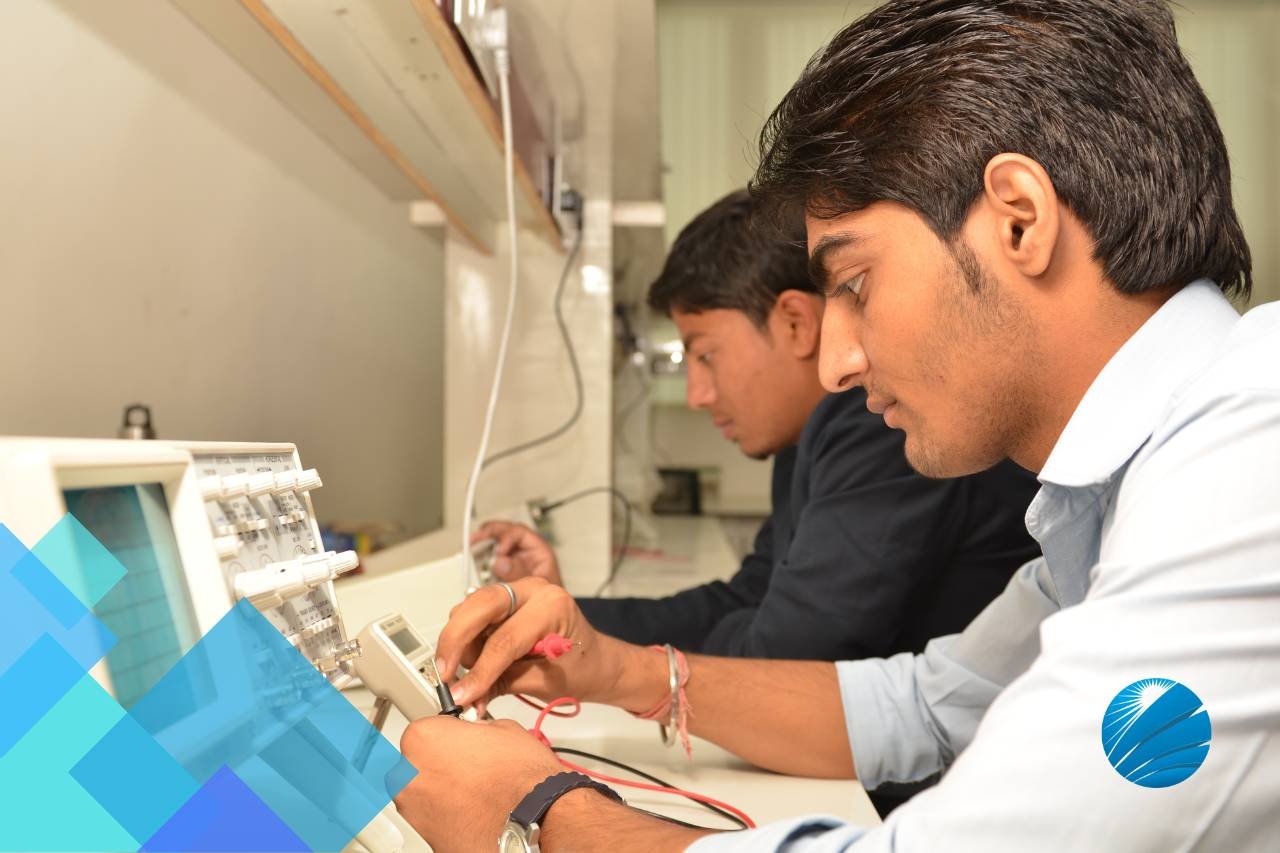
Glocal School of Technology & Computer Science
Young and vibrant school delivering modern technology education.
Read More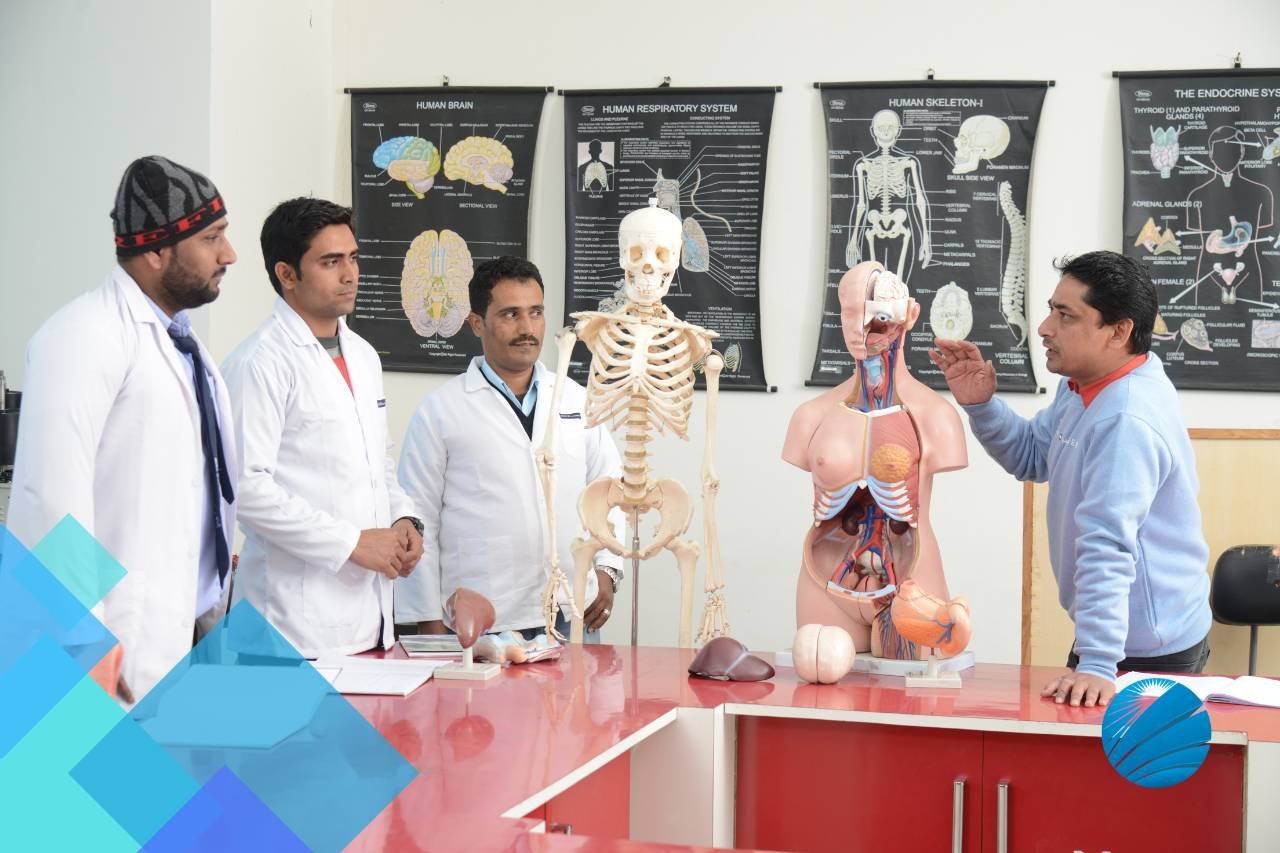

Glocal School of Business & Commerce
One of North India's fastest growing business schools.
Read More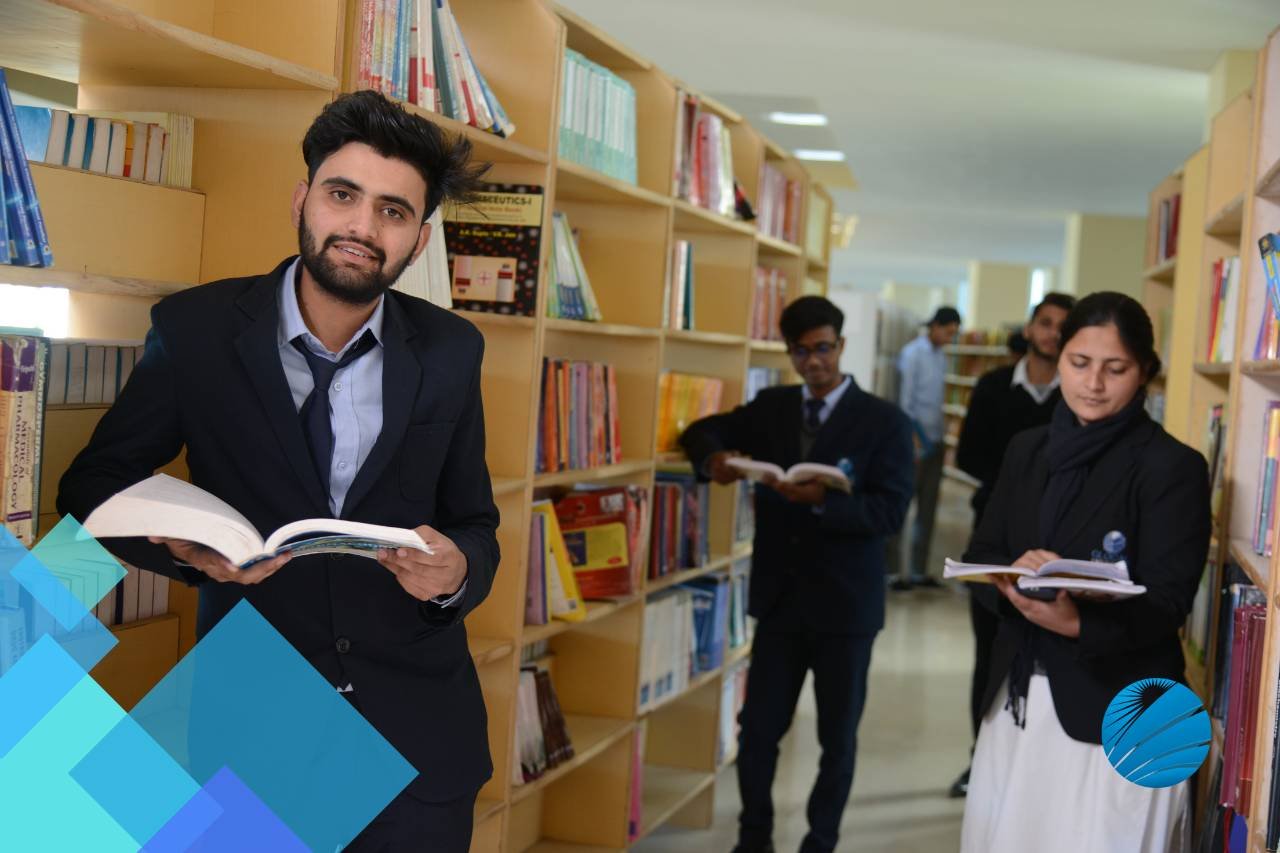
Glocal School of Law & Jurisprudence
Professional legal education with strong academic foundation.
Read More
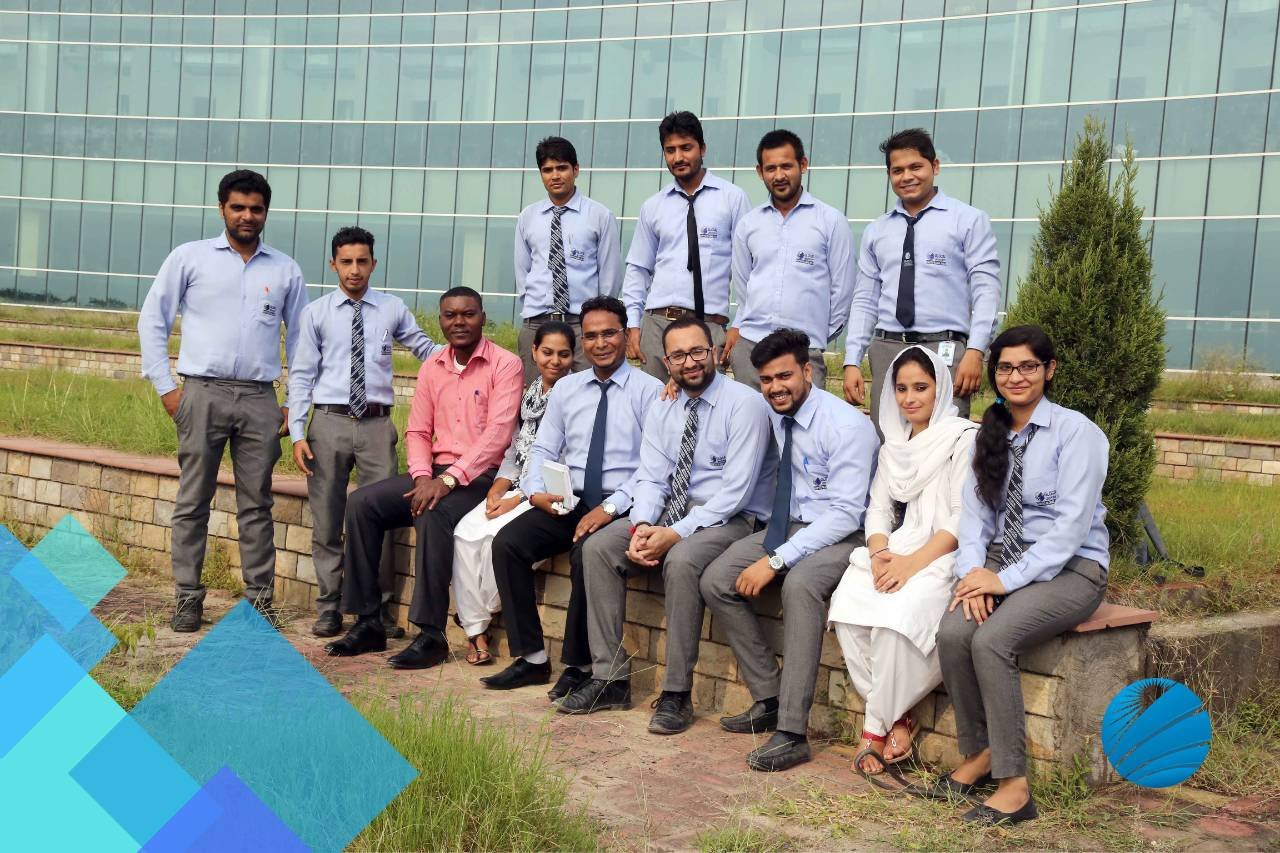


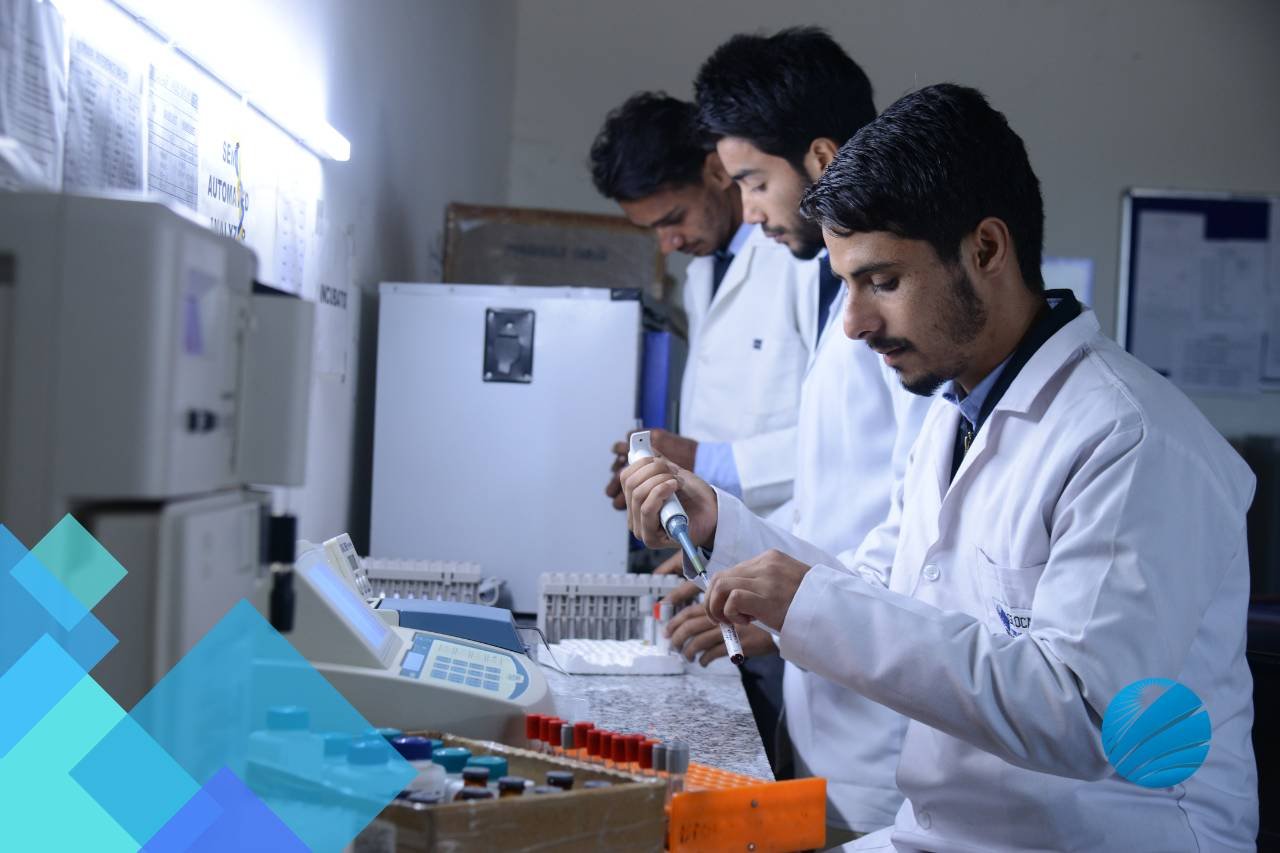


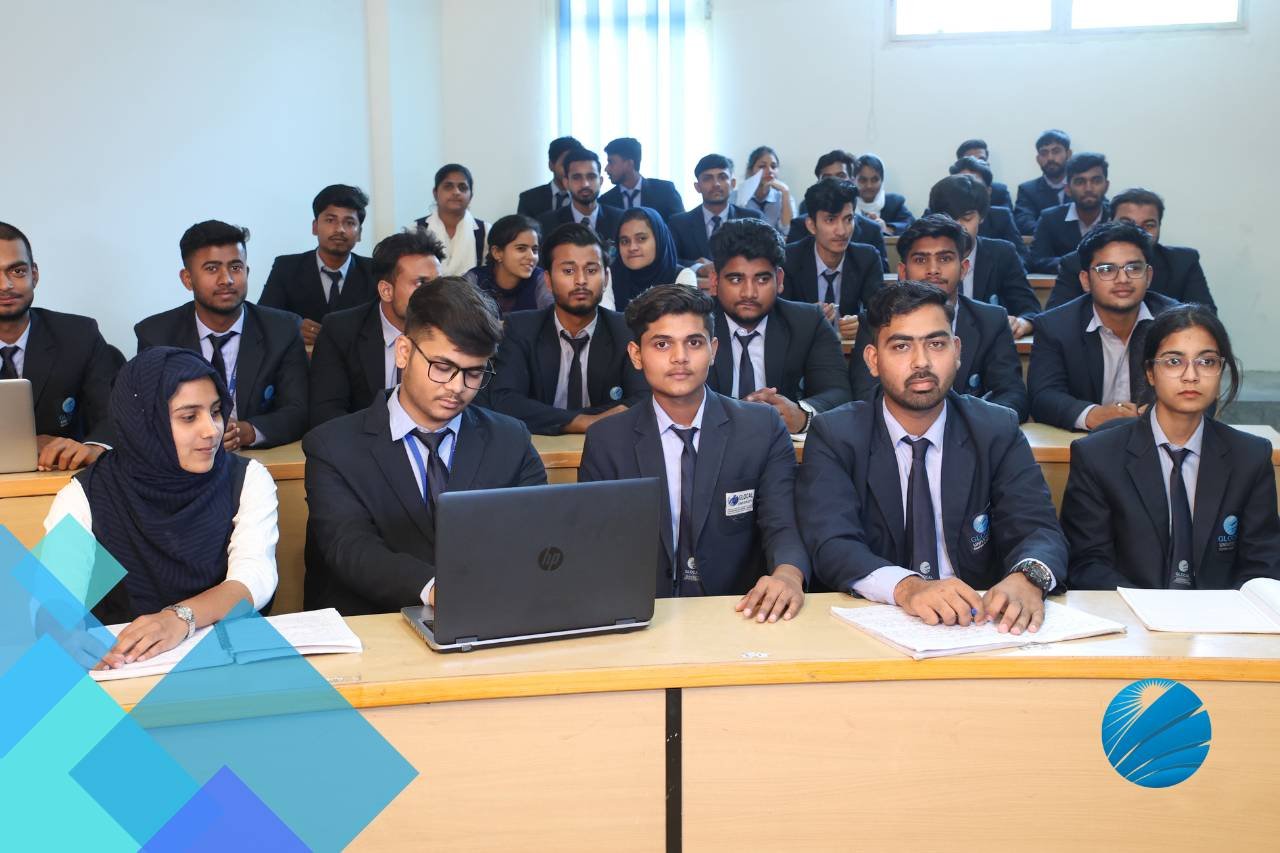
OUR ESTEEMED RECRUITERS


Achievements With Recognitions
Glocal University enjoys high standing among many national rating services that evaluate quality of education, research activity, affordability and athletic excellence.
EXCELLENT CAMPUS OF THE YEAR

Most innovative university with excellent campus of the year
TOP UNIVERSITY IN NORTH INDIA
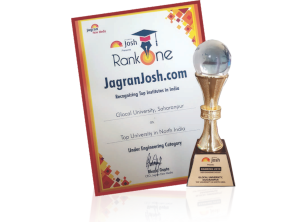
Awarded as the Top University in North India by JagranJosh.com
BEST EMERGING B-SCHOOL
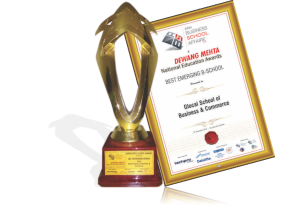
Dewang Mehta National Award for Best Emerging B-School
DISTINGUISHED UNIVERSITY 2025
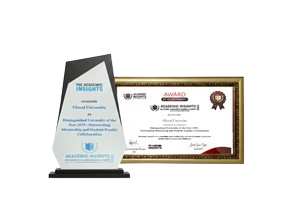
Awarded as Distinguished University of the Year 2025

+ Experienced Faculty

+ UG & PG Programs

+ Acre Campus
